
A robust audit trail builds trust with stakeholders and ensures you’re prepared for any scrutiny. Ledge provides a comprehensive guide to general ledger reconciliation, emphasizing the importance of a well-maintained audit trail for accurate financial reporting and compliance. Prioritizing compliance and a clear audit trail protects your business and strengthens your financial credibility.

Streamlining with Smart Credit Control Software
The balance sheet will provide a quick assessment of the financial health of a company whereas the GL is a compilation of multiple financial documents that provide detailed information. This type of reconciliation helps confirm that the company pays only for goods and services actually received and at the agreed-upon prices, thus preventing overpayments or duplicate payments. Maintaining compliance with financial reporting standards and regulations is simplified through regular ledger reconciliation.

Auto-Certify Matching Accounts
For each item that makes up your GL reconciliation balance, present them on a separate tab, noting the location of the source documents in case a manager or auditor needs to verify. Instead of hardcoding, link each item on the leadsheet to each item on the independent source document tabs. A company’s general ledger can have any number of accounts and often lists income statement accounts first, followed by balance sheet accounts, though it can also be the other way around. A general ledger can have as many accounts as needed and can be simple or complex. Calendar alerts also help schedule regular reconciliations so none are overlooked.
Step 2: Identify Reconciliation Items
To learn more about how HubiFi handles high-volume transactions, review our pricing information. Finally, GL reconciliation is critical for compliance and audit readiness. By demonstrating a commitment to accurate financial reporting, you build trust with stakeholders and ensure a smooth audit process. This saves you time and resources and strengthens your company’s financial standing. Explore how HubiFi’s automated solutions can help you maintain compliance with industry standards.
- Schedule a demo with HubiFi to discuss how we can help automate these crucial processes.
- Accountants begin by collecting essential data for each account they plan to reconcile.
- Look for software that offers automated transaction matching, customizable reconciliation templates, and robust reporting.
- Obtain the ending balance that you would like to reconcile, and then gather all records you’ll use to compare the balance.
- Common causes of discrepancies in financial records include timing differences in transaction recording, missing transactions, and human error.
- For instance, backdating a check in the checkbook without updating the General Ledger (GL) posting date may cause discrepancies between the bank reconciliation and the GL.
- If they find discrepancies in the general ledger, they can more easily track where the problem originated than if they attempted to reconcile the balance sheet or income statement.
The reconciliation process is an internal control that can explain discrepancies between different account balances or records. In many cases, differences may be due to error (and some, fraud), but others could occur due to timing issues. Regular training sessions for your finance team are crucial for accurate reconciliations. A well-trained team understands the importance of each step, leading to fewer errors and a smoother process. Refresher courses on relevant accounting standards law firm chart of accounts and software updates keep everyone’s skills sharp. Check out resources like FloQast for helpful guides and best practices on general ledger reconciliation.
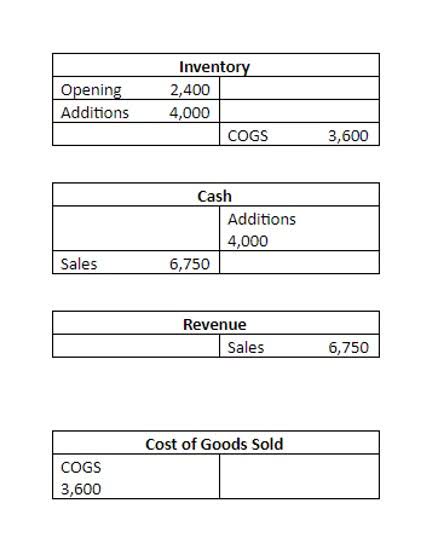
- Today, most GL systems are computerized, so you won’t see your entries laid out in a T-account like this.
- Voided checks are removed from the bank reconciliation, but care must be taken with transaction dates.
- This involves checking each transaction in the ledger against external records to verify its accuracy.
- They ensure everyone on your team follows the same process, reducing errors and inconsistencies.
- Consider exploring how integrating your accounting software can further streamline these workflows.
Reliable financial data, ensured by consistent GL reconciliation, empowers you to make informed business decisions. Whether you’re evaluating new investment opportunities, assessing profitability, or planning for future growth, accurate financial information is essential. Learn more about how HubiFi can help you gain better visibility into your financial data. If they general ledger reconciliation find discrepancies in the general ledger, they can more easily track where the problem originated than if they attempted to reconcile the balance sheet or income statement.
General ledger (GL) QuickBooks reconciliation involves comparing the sub-ledgers and resolving discrepancies. SL reconciliation may involve comparing individual sub-ledger entries with supporting documents. When discrepancies are found between your general ledger and supporting documents, you must investigate the root cause.